Finding the right mobility solution can be a challenge, especially when standard options do not meet specific needs. For individuals requiring extra support due to weight, a standard stairlift might not be safe or comfortable.
This is where a heavy-duty stairlift comes in. Designed for robustness and safety, these specialized lifts ensure that everyone can move freely between floors in their home.
In this guide, we will explore bariatric options in India, discussing why weight capacity matters, the unique features of reinforced lifts, and how to choose the right one for your home.
Why Weight Capacity Matters for Safety
Safety is the number one priority when using any mobility device. Most standard stairlifts have a weight limit of around 110 kg to 120 kg.
If a user exceeds this limit, using a standard model can be dangerous. It puts excessive strain on the motor, rail, and seat, which can lead to breakdowns or even accidents.
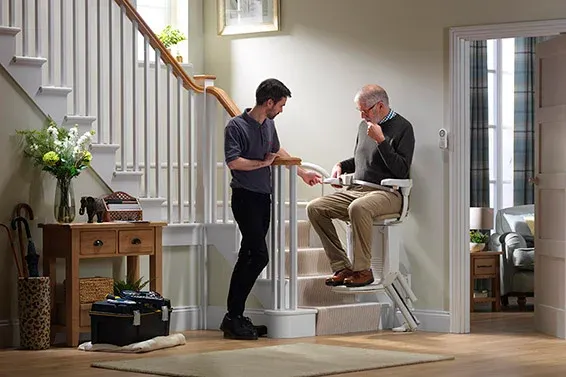
A stairlift for heavy users is engineered differently. It is built to handle higher loads without compromising performance.
For users weighing 150 kg and above, specific heavy-duty models are required. These lifts provide peace of mind, knowing the equipment is fully capable of supporting the user safely every single time.
Key Features of High Weight Capacity Stairlifts
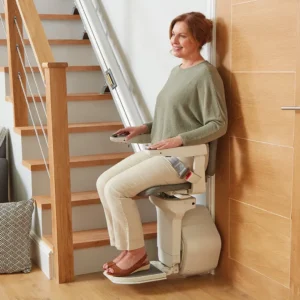
When looking for bariatric stairlift options in India, you will notice they look similar to standard models but have significant internal and external differences. Here are the key features that set them apart:
1. Reinforced Construction
The most critical difference is the build quality. These lifts feature reinforced stairlift features such as a stronger chassis and a more robust rail system.
The metal used is often thicker and more durable to prevent bending or warping under heavier loads.
2. Powerful Motors
Moving a heavier load requires more power. Heavy-duty stairlifts are equipped with high-torque motors that can glide up the stairs smoothly without struggling. This ensures a steady speed and prevents the lift from stalling mid-ride.
3. Wider and Sturdier Seats
Comfort is just as important as safety. A standard seat may be too narrow or uncomfortable for a larger user.
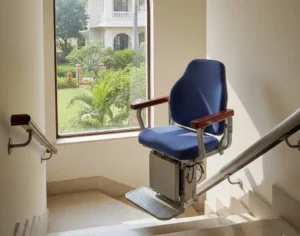
Stairlift for 150 kg and above models typically come with wider seats (often 20 inches or more) with extra padding. The armrests are also spaced further apart to provide ample room.
4. Upgraded Battery Systems
Since these lifts require more power, they often come with higher-capacity batteries. This ensures the lift can perform multiple trips up and down the stairs on a single charge, even during a power cut.
Choosing the Right Bariatric Stairlift in India
The market for accessibility products in India is growing, and finding a specialized solution is easier than it used to be. However, you should still keep a few things in mind before making a purchase.
Assess Your Staircase
Just like standard lifts, heavy-duty models can be fitted to straight or curved stairs.
- Straight Stairs: These are easier and cheaper to fit. Many heavy-duty models are designed specifically for straight runs.
- Curved Stairs: If your staircase turns, you need a custom rail. Ensure the manufacturer offers a high weight capacity stairlift that works on a curved rail, as this requires precise engineering.
Verify the Weight Limit
Don’t just guess. Check the exact specification sheet of the product. “Heavy duty” can mean different things to different brands.
Some top out at 140 kg, while others go up to 160 kg or even 200 kg. Make sure the limit comfortably exceeds the user’s weight.
Ask About Warranty and Service
A heavy-duty machine works hard. It is vital to buy from a reputable dealer in India who offers a solid warranty and reliable after-sales service. Regular maintenance is key to keeping the motor and rail in top condition.
Conclusion
Regaining independence in your home shouldn’t be limited by body type. A heavy-duty stairlift is a safe, reliable, and comfortable investment for anyone weighing 150 kg or more.
By choosing a model with reinforced features and the correct weight capacity, you ensure safety and peace of mind for years to come.
If you are looking for bariatric stairlift options in India, start by consulting with professional suppliers who can assess your home and recommend the perfect heavy-duty solution for your needs.
Frequently Asked Questions (FAQs)
1. What is the weight capacity of a bariatric stairlift?
While standard lifts support up to 120 kg, a high weight capacity stairlift is designed for users weighing 150 kg, 160 kg, or even up to 200 kg, depending on the specific model and brand.
2. Are heavy-duty stairlifts available in India?
Yes, several international and local brands offer bariatric stairlift options in India. Dealers in major cities can supply and install these specialized lifts tailored to Indian homes.
3. Do heavy-duty stairlifts need a wider staircase?
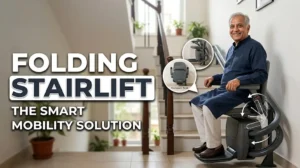
Not necessarily. While the seat itself is often wider for comfort, many heavy-duty models are designed with clever folding mechanisms (arms, seat, and footrest) so they don’t block the staircase for other people when not in use.
4. Does a stairlift for 150 kg and above cost more?
Yes, generally, a heavy-duty model costs more than a standard one. This is due to the reinforced stairlift features, larger motor, and more durable materials required to ensure safety for heavier loads.
5. Can a heavy-duty stairlift be installed on curved stairs?
Yes, you can get a stairlift for heavy users for curved stairs. However, the rail must be custom-made to handle the weight and the turns, which makes it more expensive than a straight heavy-duty stairlift.