Deciding how to make a multi-story home safe and accessible for senior family members is a significant concern for many in India. As loved ones age, navigating stairs can become not just difficult, but also a daily risk.
This challenge often leads families to consider mobility solutions that allow their elders to “age in place” with dignity and independence. The two most common options are home stairlifts and home elevators.
Each solution offers a unique set of benefits, but they differ greatly in cost, installation, and functionality. Choosing between them requires a careful look at your family’s immediate and long-term needs, your home’s layout, and your budget.
This detailed guide will compare home stairlifts and home elevators across several key factors to help you decide which is the cheaper and better option for your home and your senior loved ones.
What is a Home Stairlift?
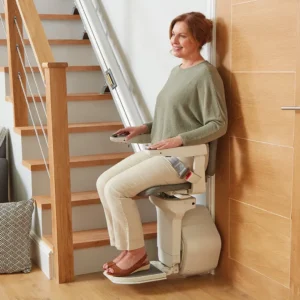
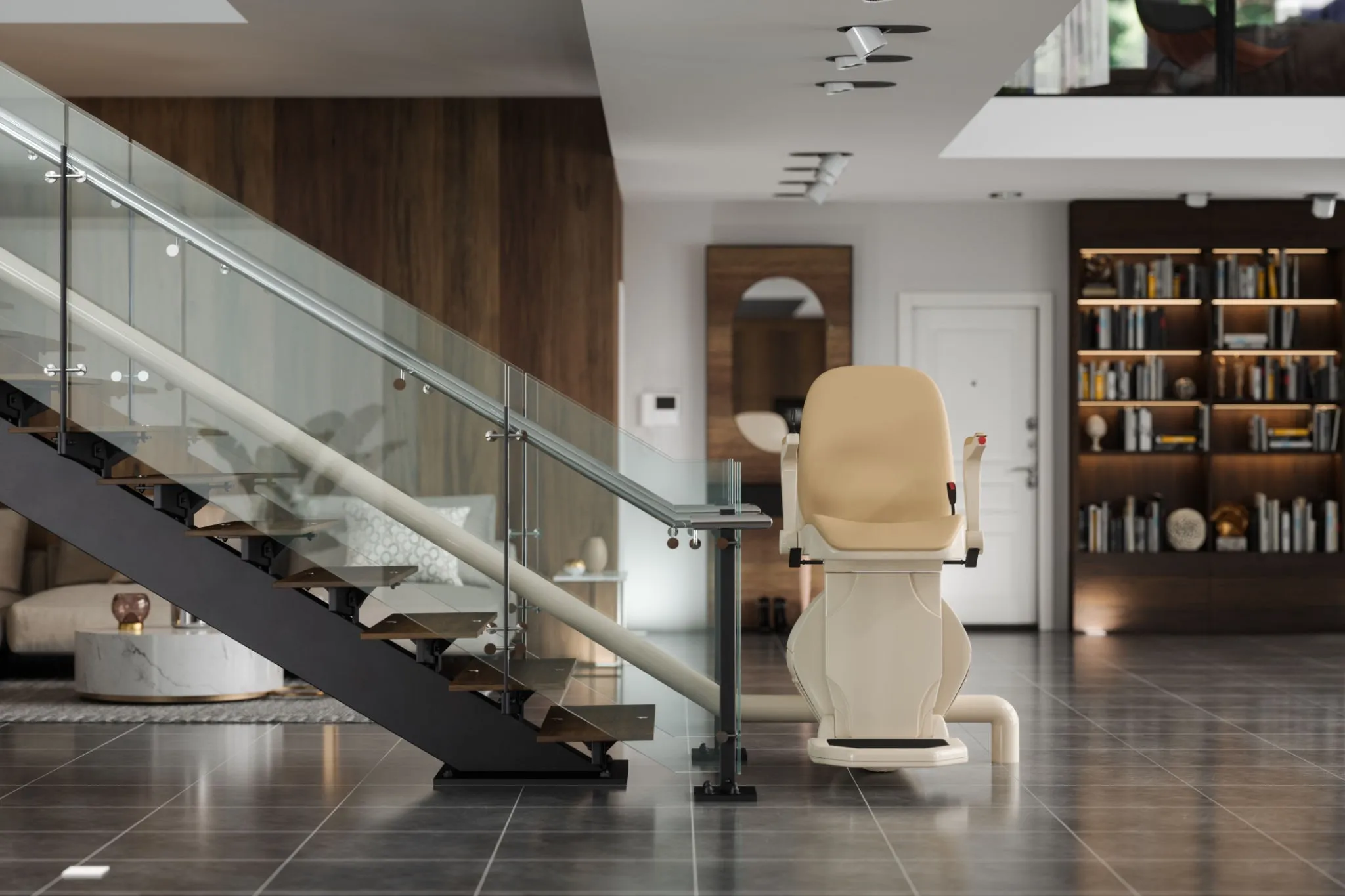
A home stairlift is a motorized chair that glides along a rail securely fixed to your existing staircase. The user simply sits on the chair, fastens a seatbelt, and uses a simple control—usually a joystick or a button on the armrest—to move up or down the stairs.
It is a straightforward mobility aid designed for people who can walk but find the physical strain of climbing stairs too demanding or unsafe.
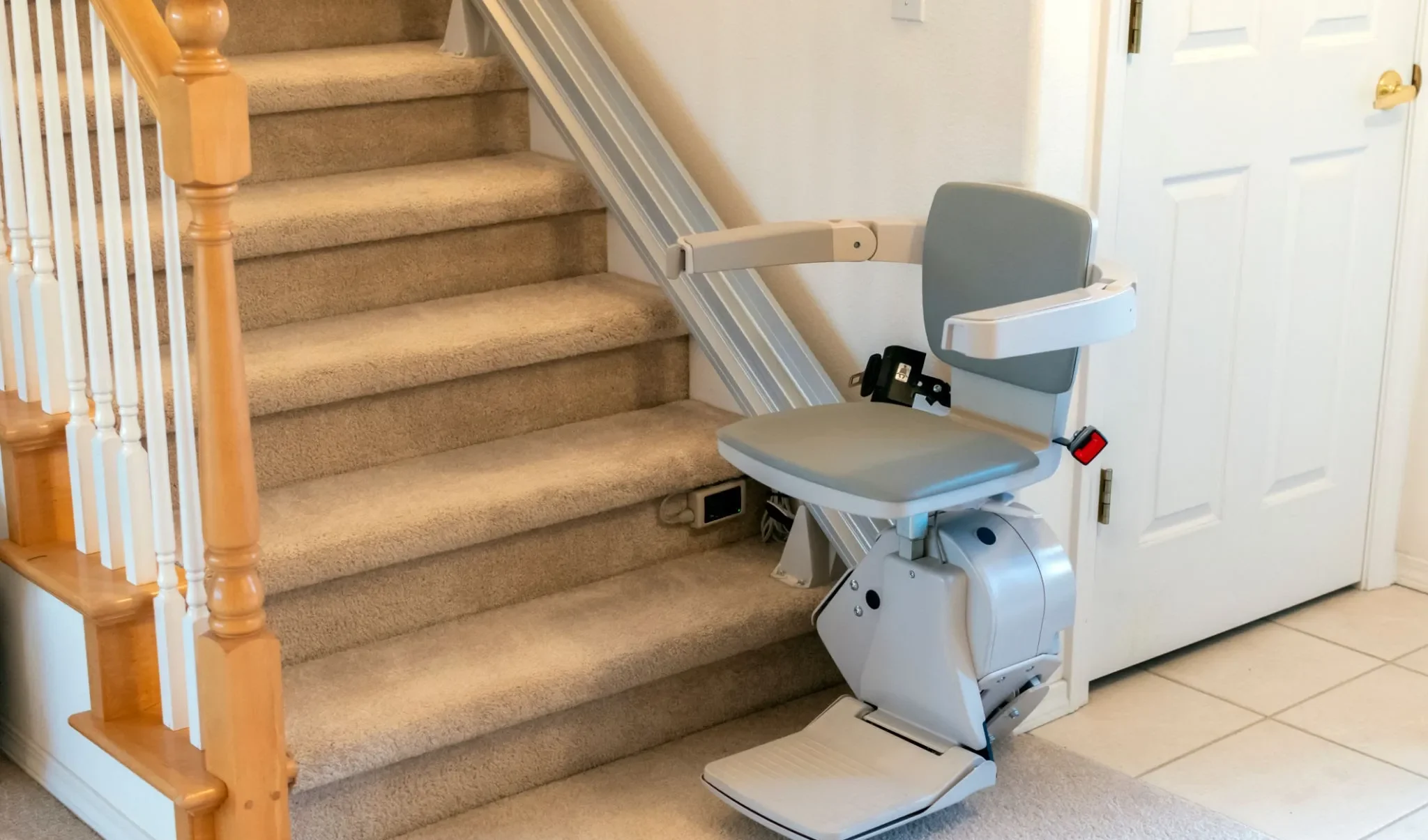
Stairlifts are available for both straight and curved staircases. They are primarily a retrofitted solution, meaning they can be installed in almost any existing home without needing major construction.
What is a Home Elevator?
A home elevator, also known as a residential lift, is a small-scale elevator designed for private homes. It is a self-contained cabin that moves vertically between floors within a dedicated shaft or enclosure.
Unlike stairlifts, home elevators are not attached to the staircase and can be installed in a central location, such as a living room or a large hall.
These lifts can carry multiple people, a person in a wheelchair, or heavy items like luggage and groceries. They offer a more comprehensive and luxurious accessibility solution, often integrated into the home’s architecture from the design stage or added during a major renovation.
Detailed Comparison – Stairlift vs. Home Elevator
To make an informed decision, let’s break down the differences between these two senior-friendly home upgrades based on the most important factors for Indian households.
1. Cost and Financial Investment
Cost is often the primary factor for many families. Here, the difference between a stairlift and a home elevator is substantial.
- Stairlift Cost: In India, the price for a basic, straight stairlift typically ranges from ₹2 lakhs to ₹5 lakhs. This price includes the unit and installation. If your staircase has turns or landings, you will need a curved stairlift, which requires a custom-made rail. The cost for a curved stairlift is higher, usually starting from ₹6 lakhs and can go up to ₹10 lakhs or more, depending on the complexity of the staircase.
- Home Elevator Cost: A home elevator is a much larger investment. The starting price for a basic home elevator in India is around ₹8 lakhs to ₹10 lakhs. This price can easily climb to ₹25 lakhs or more depending on the type (hydraulic, traction, pneumatic), size, number of floors, and level of customization (glass walls, premium finishes, etc.). The price often does not include the cost of civil work required to build the elevator shaft, which can add a significant amount to the total project cost.
Verdict:
For affordability, the stairlift is the clear winner. It provides a practical solution for stair mobility at a fraction of the cost of a home elevator, making it an accessible choice for many middle-class families.
2. Space Requirements and Structural Changes
The amount of space available in your home and your willingness to undertake construction will heavily influence your choice.
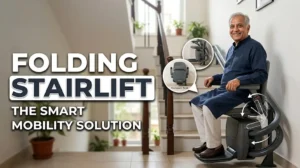
- Stairlift: Stairlifts are incredibly space-efficient. They are installed directly onto the stair treads, not the wall, so they don’t require any structural modifications. The chair and rail are foldable, so when not in use, they can be neatly tucked away, leaving the staircase clear for others to use. This makes them ideal for existing homes where major renovations are not feasible.
- Home Elevator: Home elevators require a significant amount of dedicated space. A vertical shaft needs to be constructed through each floor the elevator will serve. A typical home elevator needs a footprint of about 4×4 feet to 5×5 feet. While modern pitless and machine-room-less (MRL) elevators have reduced space requirements, they still demand considerable structural work. This can be disruptive, messy, and time-consuming.
Verdict:
If your home has limited space or you want to avoid major construction, a stairlift is the better option. Home elevators are more suitable for new constructions or large homes undergoing extensive renovation where a shaft can be planned in the architectural design.
3. Safety and User Accessibility
Safety is paramount when choosing a mobility solution for seniors.
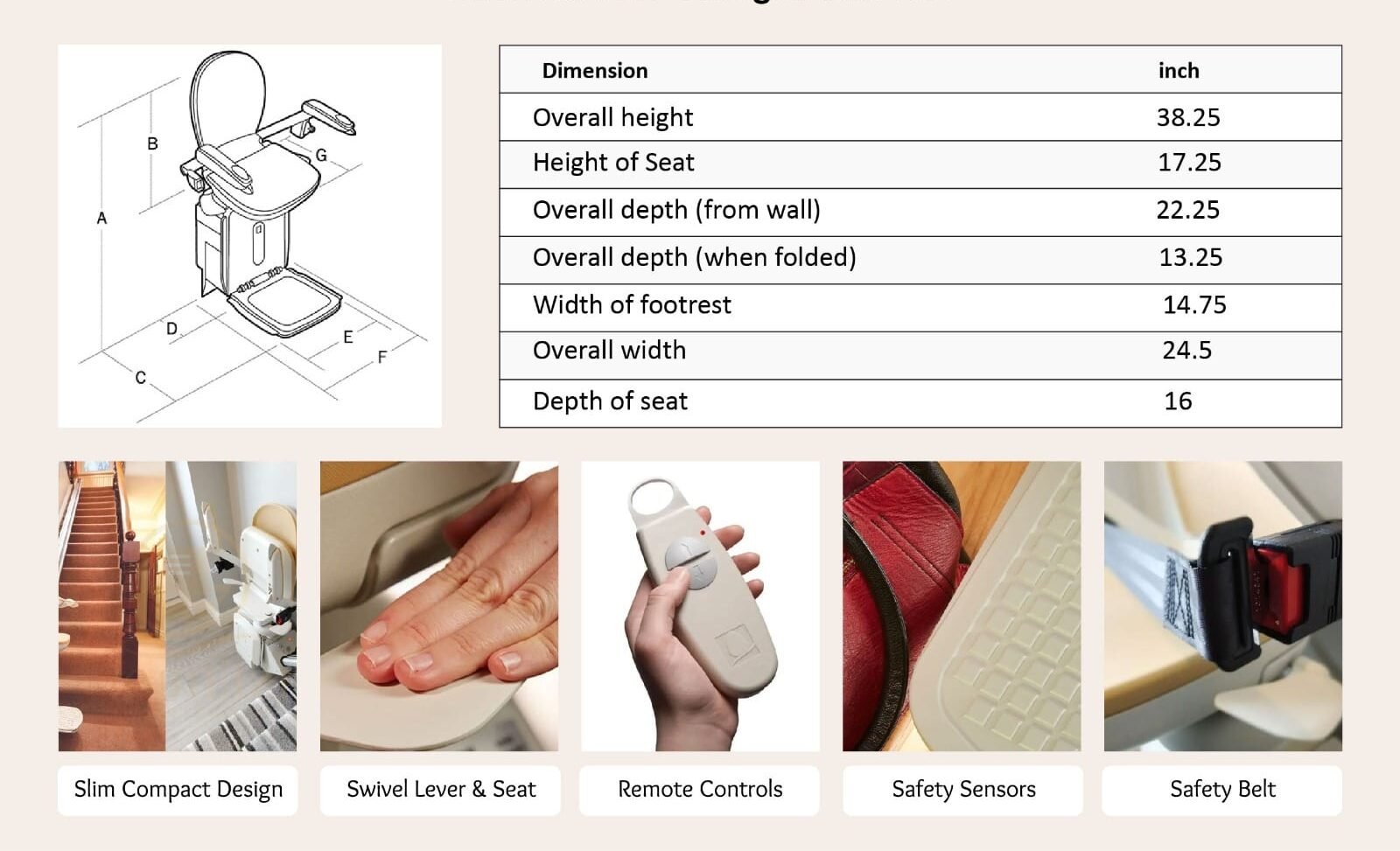
- Stairlift: Modern stairlifts come with a range of safety features, including a seatbelt, obstruction sensors that stop the lift if anything is blocking the path, a swivel seat for safe entry and exit at the top of the stairs, and a backup battery that works during power cuts. However, the user must be able to get on and off the chair independently. This makes stairlifts unsuitable for individuals who are wheelchair-bound or have severe balance issues.
- Home Elevator: Home elevators offer a higher level of safety and accessibility. The enclosed cabin protects the user from falls. They are equipped with automatic doors, emergency alarms, an Automatic Rescue Device (ARD) for safe landing during a power failure, and telephone connectivity. Critically, home elevators can accommodate a wheelchair, making them the only viable option for users with no personal mobility. They also allow a caregiver to travel with the senior.
Verdict:
For comprehensive safety and full accessibility, especially for wheelchair users, the home elevator is superior. It provides a more secure and versatile environment for individuals with significant mobility limitations.
4. Installation Process and Timeline
The time and effort required for installation are also important considerations.
- Stairlift: Installation is quick and clean. A straight stairlift can typically be installed in just a few hours. A more complex curved stairlift might take a full day. The process involves minimal drilling and disruption.
- Home Elevator: The installation process for a home elevator is a major construction project. It involves creating the shaft, electrical wiring, and then installing the lift mechanics and cabin. This process can take several weeks to a few months to complete, causing significant disruption to the household.
Verdict:
The stairlift is the winner for ease and speed of installation. It offers a near-instant solution to a mobility problem.
5. Aesthetics and Home Value
How the solution looks and its impact on your property’s value matter, particularly in modern homes.
- Stairlift: While functional, a stairlift is a purely utilitarian device. Its appearance can feel clinical and may clash with the interior design of a home. It is seen as an adaptive device and generally does not add to the resale value of the property.
- Home Elevator: A home elevator can be a statement of luxury and style. With options for glass panels, custom lighting, and premium interior finishes, it can be designed to seamlessly integrate with and enhance your home’s decor. A well-installed home elevator is considered a high-end feature and can significantly increase the property’s market value.
Verdict:
For aesthetics and increasing home value, the home elevator is the undisputed choice. It transitions from being a mobility aid to a luxury home feature.
6. Maintenance and Durability
Both systems require regular maintenance to ensure they operate safely and reliably.
- Stairlift: Maintenance is relatively simple and less expensive. It usually involves an annual service to check the battery, clean the track, and lubricate moving parts. Well-maintained stairlifts are durable and can last for over a decade.
- Home Elevator: Due to their complex mechanical systems, home elevators require more rigorous and costly maintenance. They should be inspected by a professional at least twice a year. Annual Maintenance Contracts (AMCs) can be expensive, but they are essential for long-term safety and performance.
Verdict:
Stairlifts are easier and cheaper to maintain. However, a home elevator, while requiring more investment in upkeep, is built for very long-term, heavy-duty use.
Which is Better for Seniors? A Summary
Feature | Home Stairlift | Home Elevator |
|---|---|---|
Cost | Cheaper (₹2L – ₹10L) | More Expensive (₹8L – ₹25L+) |
Space | Minimal, uses existing stairs | Significant, requires a shaft |
Installation | Quick (a few hours to a day) | Long (weeks to months) |
Safety | Good, but requires user mobility | Excellent, fully enclosed, wheelchair accessible |
Aesthetics | Utilitarian, can be obtrusive | Luxurious, customizable, enhances decor |
Home Value | No increase | Significant increase |
Maintenance | Lower cost and complexity | Higher cost and complexity |
Making the Right Choice for Your Family
The decision ultimately comes down to your specific circumstances.
A home stairlift is the better choice if:
- Your budget is the main constraint.
- The senior user can walk but just needs help with stairs.
- You live in an existing home and want to avoid major construction.
- The mobility need may be temporary (e.g., post-surgery recovery).
- You need a quick, immediate solution.
A home elevator is the better choice if:
- The senior user is a wheelchair user or has severe mobility issues.
- You are building a new home or planning a major renovation.
- You want a long-term, future-proof solution for aging in place.
- You want to transport heavy items or multiple people between floors.
- Increasing your property’s value and luxury appeal is a priority.
Conclusion
Both stairlifts and home elevators are excellent mobility solutions for seniors, each serving a different need and budget. For many Indian families looking for a practical and affordable way to overcome the challenge of stairs, a stairlift is the perfect choice.
It provides safety and independence without requiring a massive financial outlay or disruptive construction.
However, if you are planning for the long term and have the budget and space, a home elevator offers unmatched accessibility, safety, and convenience.
It is a true investment in your home and your family’s future comfort. Before making a final decision, consult with reputable suppliers, get multiple quotes, and discuss the options with the senior family member who will be using the device. Their comfort and confidence with the solution are what matter most.
FAQs
Frequently Asked Questions (FAQs)
1. What is the cost difference between a stairlift and a home elevator in India?
Home stairlifts are a budget-friendly option for stair chair lifts, starting at ₹2 lakhs for straight models and up to ₹10 lakhs for curved ones, including installation. In contrast, residential elevators or home wheelchair lifts begin at ₹8-10 lakhs and can reach ₹25 lakhs or more, plus extra for shaft construction. For elderly mobility solutions on a tight budget, a stairlift wins as the cheaper home modification for seniors, saving you thousands without sacrificing basic safety.
2. Which is easier to install: a stairlift or a home elevator?
Installing a straight stairlift takes just a few hours with minimal disruption—no major drilling or structural changes needed. Curved versions might take a day. Home elevators, however, require weeks to months for building a dedicated shaft, electrical work, and cabin setup, making them ideal only during renovations. If you’re seeking quick senior-friendly home upgrades in an existing multi-story house, opt for a stairlift to get your loved one moving safely fast.
3. Are stairlifts suitable for wheelchair users, or is a home elevator better?
Stairlifts work best for those who can walk but struggle with stairs, as users must transfer to the seat independently. They’re not designed for wheelchair-bound seniors. Residential elevators shine here with enclosed cabins that fit wheelchairs, multiple passengers, or even groceries, plus features like automatic doors and power-failure rescues. For full accessibility aids for disabled elderly, a home elevator is the superior long-term choice in multi-level homes.
4. How much space do stairlifts and home elevators take up?
Home stairlifts are space-savers, attaching directly to your staircase with a foldable rail and chair that tucks away neatly—perfect for narrow Indian homes without altering layouts. Home elevators need a 4×4 to 5×5 feet shaft through floors, demanding significant construction and room. If compact mobility solutions for seniors are key in your urban apartment, a stairlift keeps your aging in place setup clutter-free and open for family use.
5. What’s the maintenance like for stairlifts versus home elevators?
Stairlifts need simple annual checks—battery swaps, track cleaning—for under ₹10,000 a year, lasting over 10 years with ease. Residential elevators involve bi-annual pro inspections and pricier AMCs due to complex hydraulics or traction systems, but they’re built for heavy, daily use. Both ensure reliable senior safety features, but stairlifts offer lower upkeep costs for temporary needs like post-surgery recovery in elderly home adaptations.